Blog and news
Karure: Bird of the Year 2026
The karure/ kakaruia/ black robin has been crowned Bird of the Year 2026! As their campaign managers, we’re stoked with the awareness this has raised for a small, remote, critically threatened manu. Here's why we campaigned for karure, and some highlights from the campaign trail.
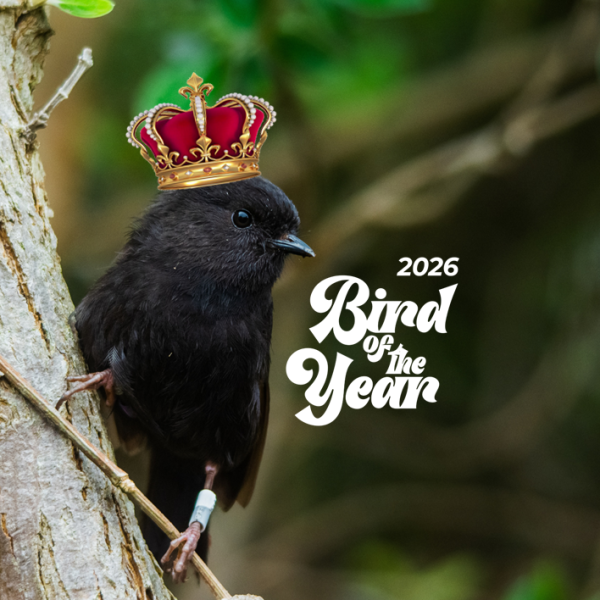
Thank you for voting karure Bird of the Year 2026! Photo from Enzo M. R. Reyes.
Aoteroa’s biggest comeback story – but it’s not finished yet
The black robin’s conservation story is one of Aotearoa’s biggest species comeback stories. It put New Zealand on the international map as trailblazers in conservation.
From just five individual birds in the 80s, locals and conservationists brought the species back from the brink of extinction. The cross-fostering method (giving eggs to other bird species to hatch, in order to encourage more eggs from the endangered species to be laid) was pioneered with karure and has been used for species conservation around the world since.
But because of that success, and because it was a few decades ago, it’s easy for people to forget that karure still need help.
The last breeding census recorded just 340 individual birds. They all live on two very small, pest-free nature reserve islands: Maung’Re/ Mangere and Hokorereoro/ Rangatira. While 340 birds is a darn sight better than five, black robins are still Critically Threatened.
They aren’t saved yet.
Getting karure some airtime
That’s a big reason we decided to lead the campaign for karure in this year’s Bird of the Year. This fun, annual awareness campaign run by Forest & Bird gets people around Aoteroa – and even the world – thinking more about native birds and nature, the challenges they face, and how people can help.
People need to know to care, and to take action. Or, in the infamous words of funk-rap band Supergroove, you’ve got to know to understand.
This year, 105,000 people voted in Bird of the Year (read Forest & Bird's sum-up story). There’s been national and international media coverage (like this story in the Guardian) about the karure as this year's winner. That means a huge number of people are now more aware of karure and its challenges.
It’s also helped make people aware of conservation mahi on the Chatham Islands, including the ambitious restoration of the archipelago that our community charity is working towards alongside others.
We were also thrilled to see Chatham Islanders getting behind the campaign, from voting to social media shout outs and shares. Our absolute favourite, though, is the artworks and poems that Pitt Island School put together to share in our campaign – and their video thanking everyone for voting!
The karure housing crisis
Right now, the small karure population can’t really grow.
The coastal forest habitat on both Mangere and Rangatira is at carrying capacity. This means that every year, after breeding season has added some new birds into the neighbourhood, some karure will be forced to try and make good in lower quality territories. For example: at the forest's edge, where there may be less abundant food and more exposure to weather, and where they'll struggle to survive until the next breeding season.
With all karure on just two small islands, there’s also a risk if something – like disease or a major weather event – were to happen on one or both islands. A big proportion of all karure could be lost fairly quickly.
A third population needs to be established on another island. That means more safe habitat is needed.
Conservation work on Rēkohu Wharekauri and Pitt Island, led by locals and island groups, is setting things up - especially the exciting range of projects on Pitt.
Our Trust is about to add some mahi to the mix, with a project for the Pitt community to totally remove feral cats from the island. Rats and possums aren't on Pitt, so removing feral cats takes out a major introduced predator for native birds, insects, and lizards. Feral cat removal will happen in tandem with other important work to restore habitats – like native planting, fencing, and potential species translocations.
Help us create more safe habitat for karure
Campaign highlights
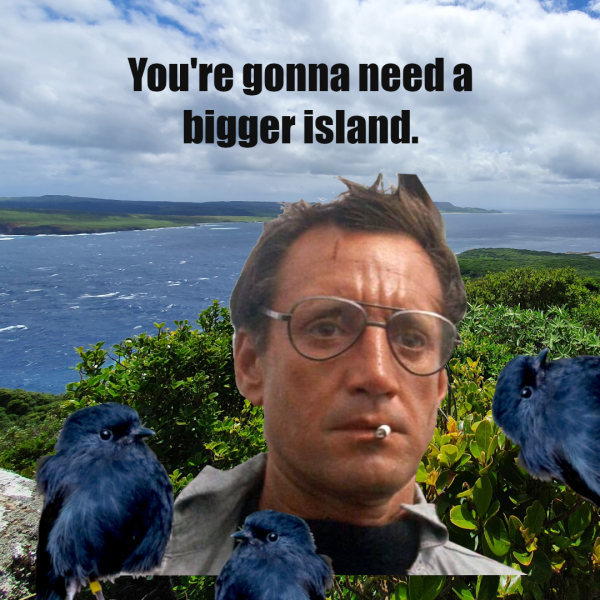
Here are a few image highlights from our karure campaign:
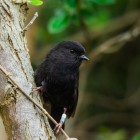
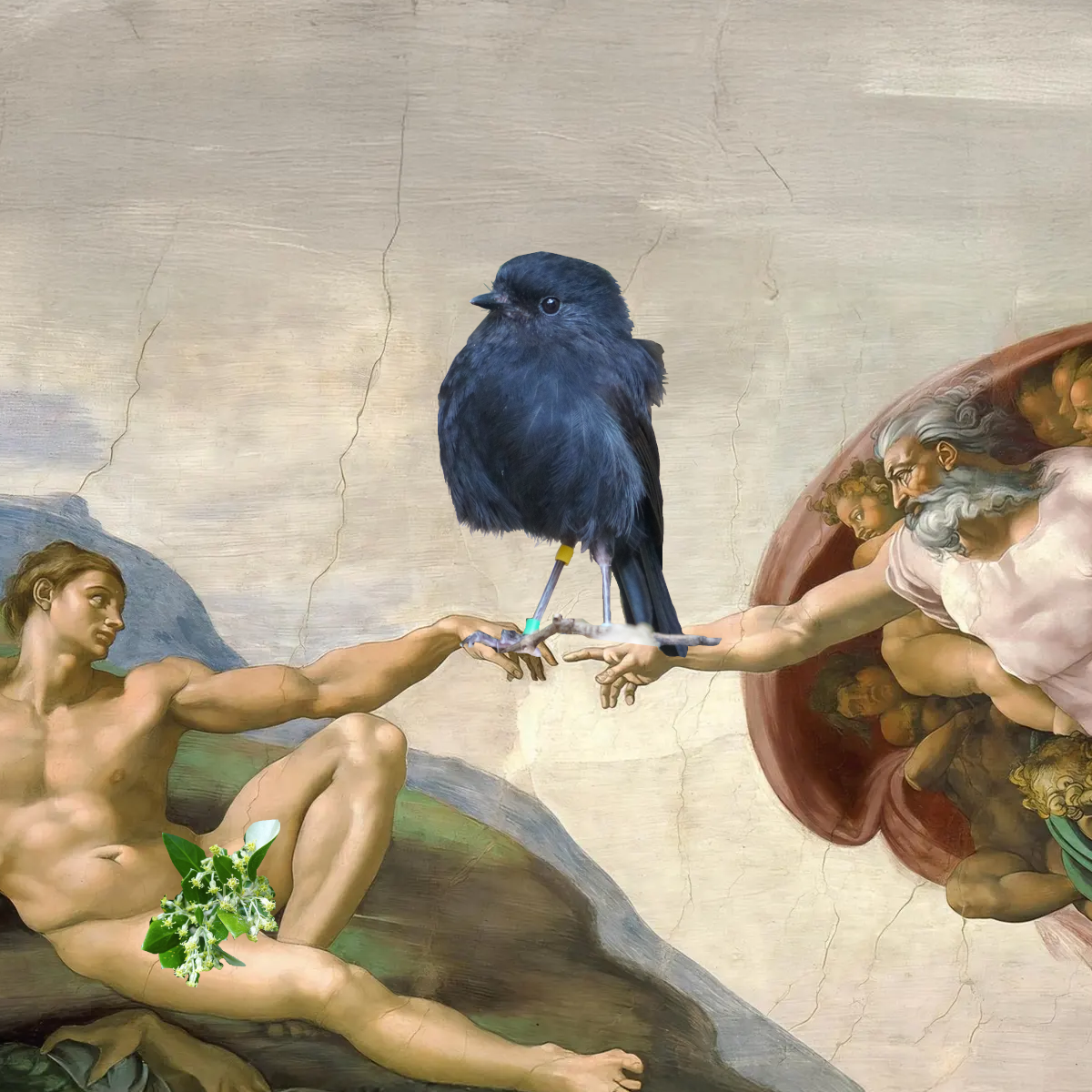
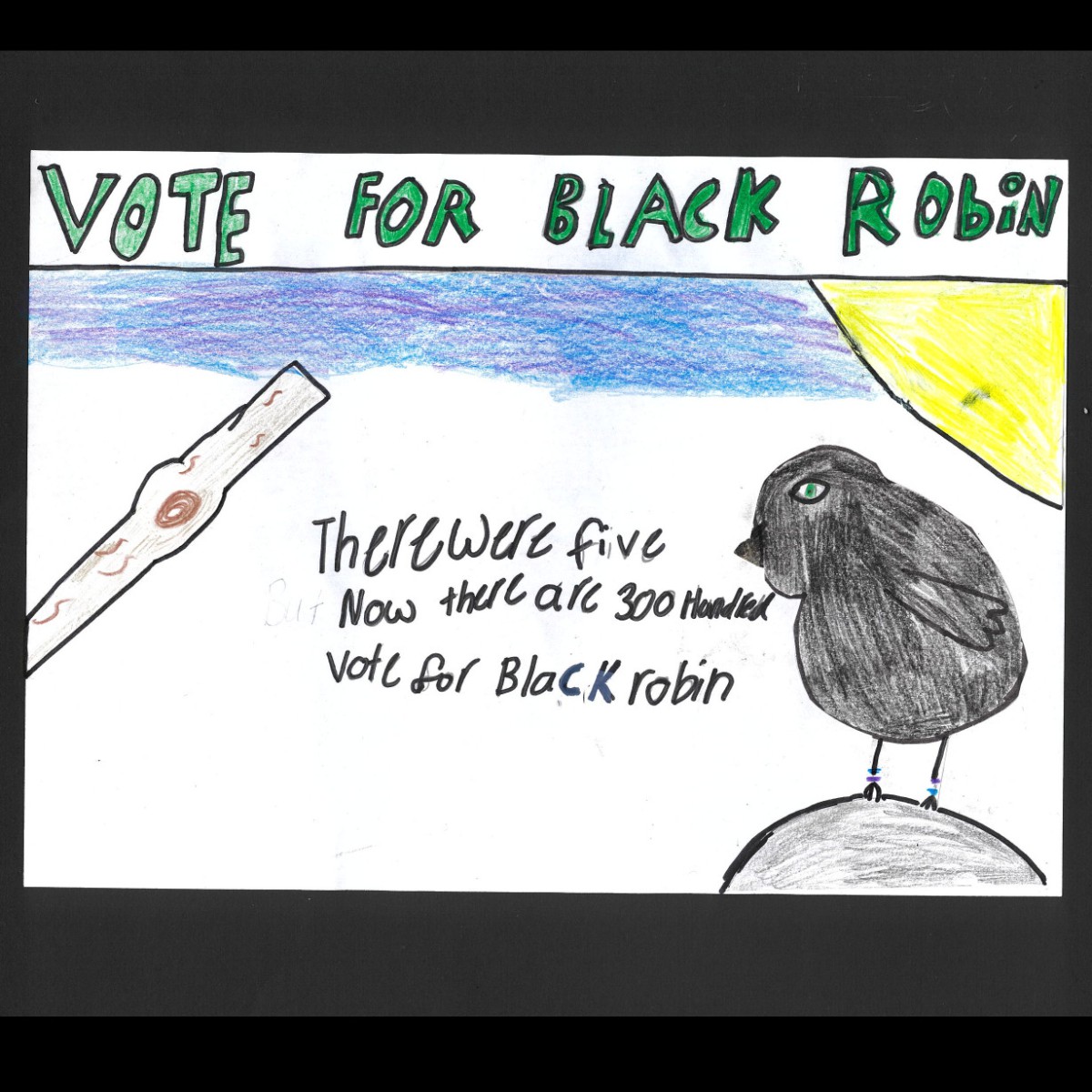
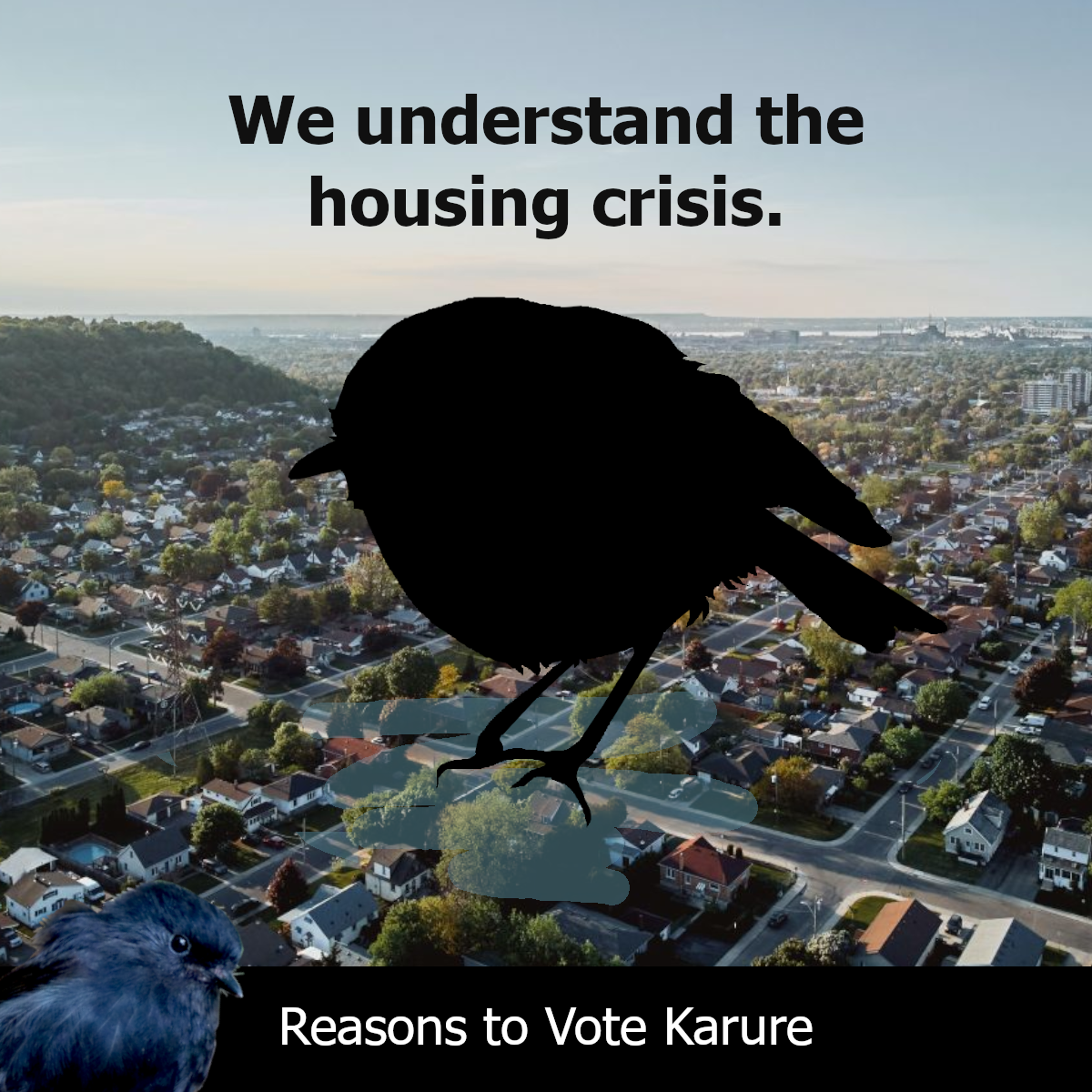
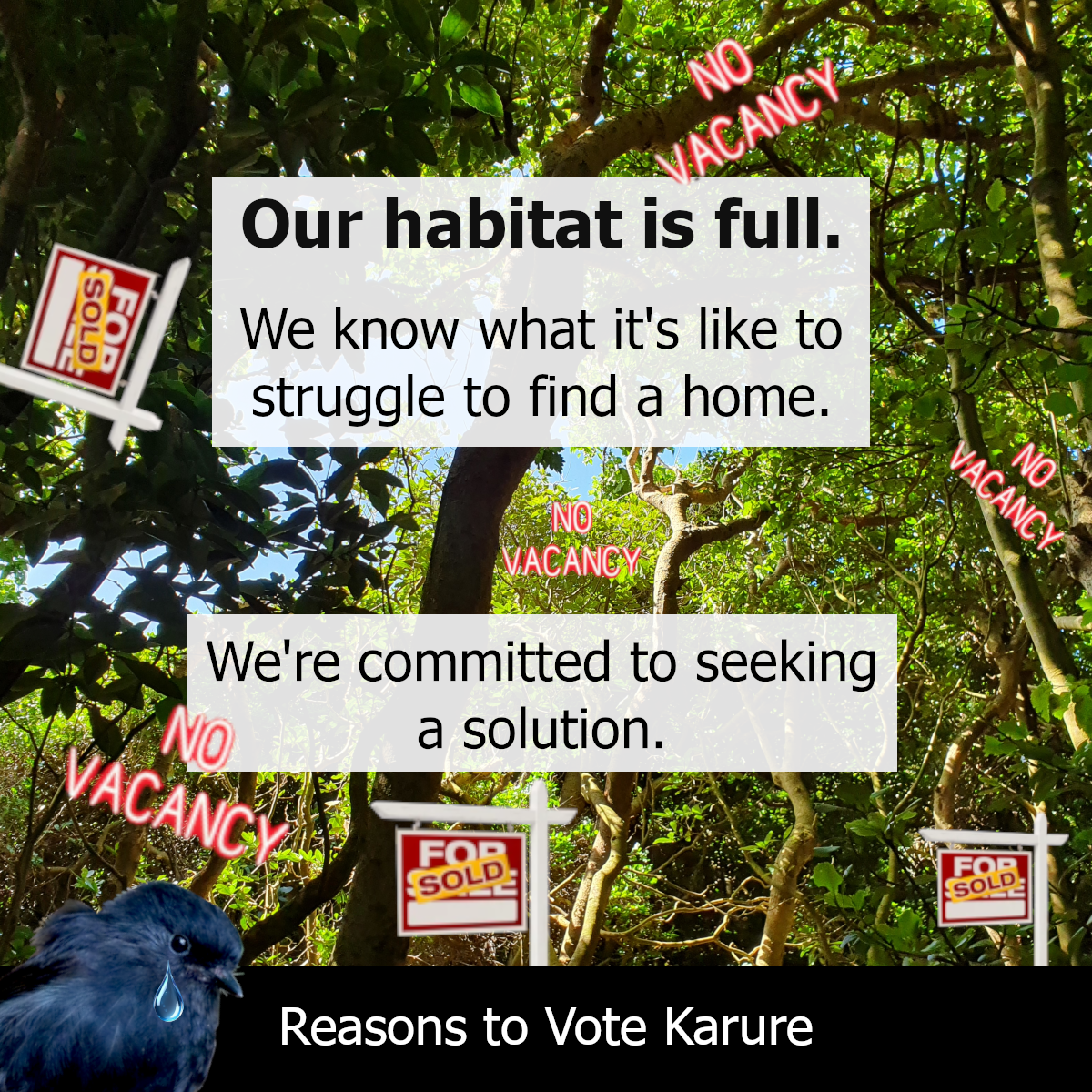
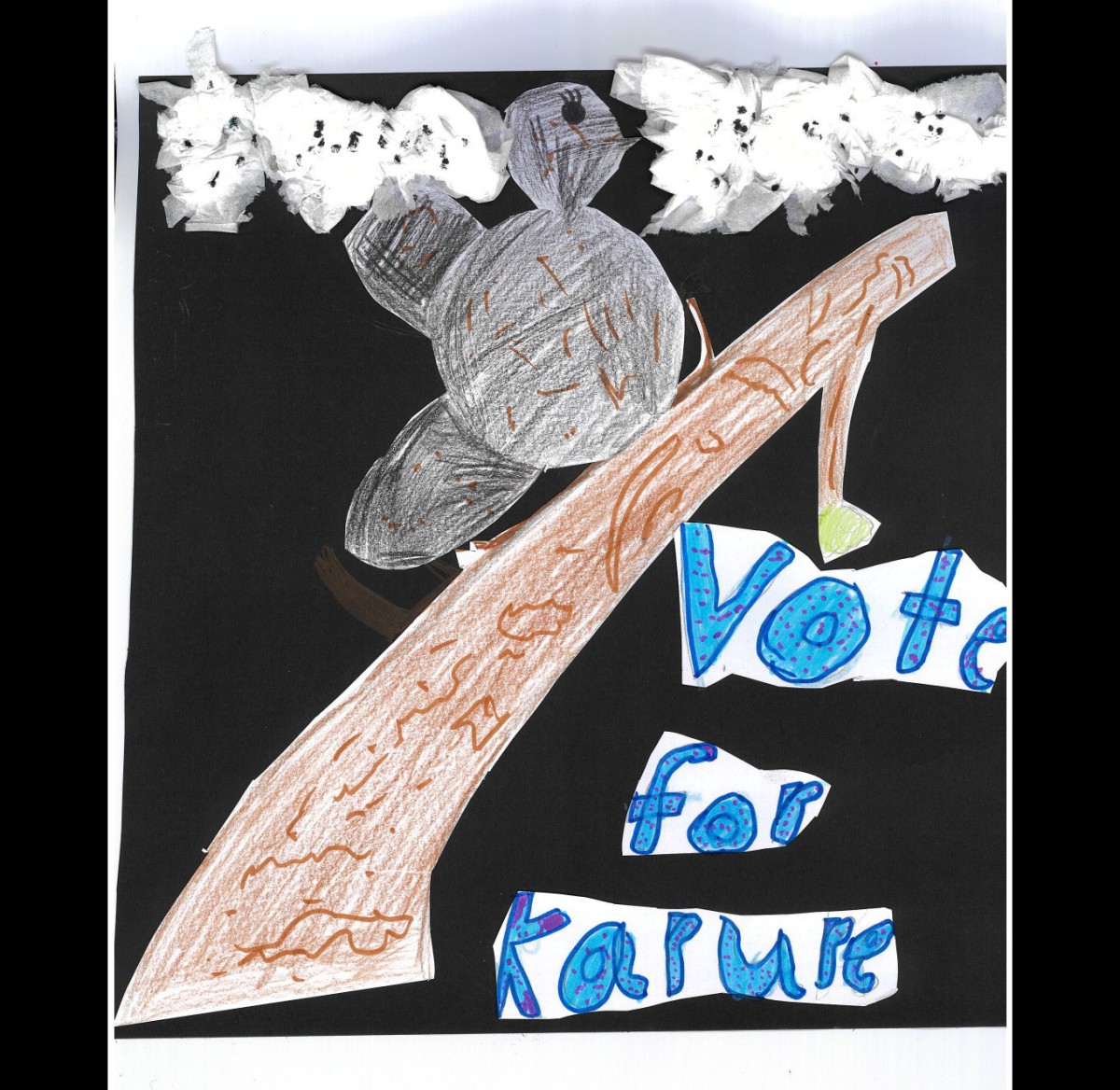
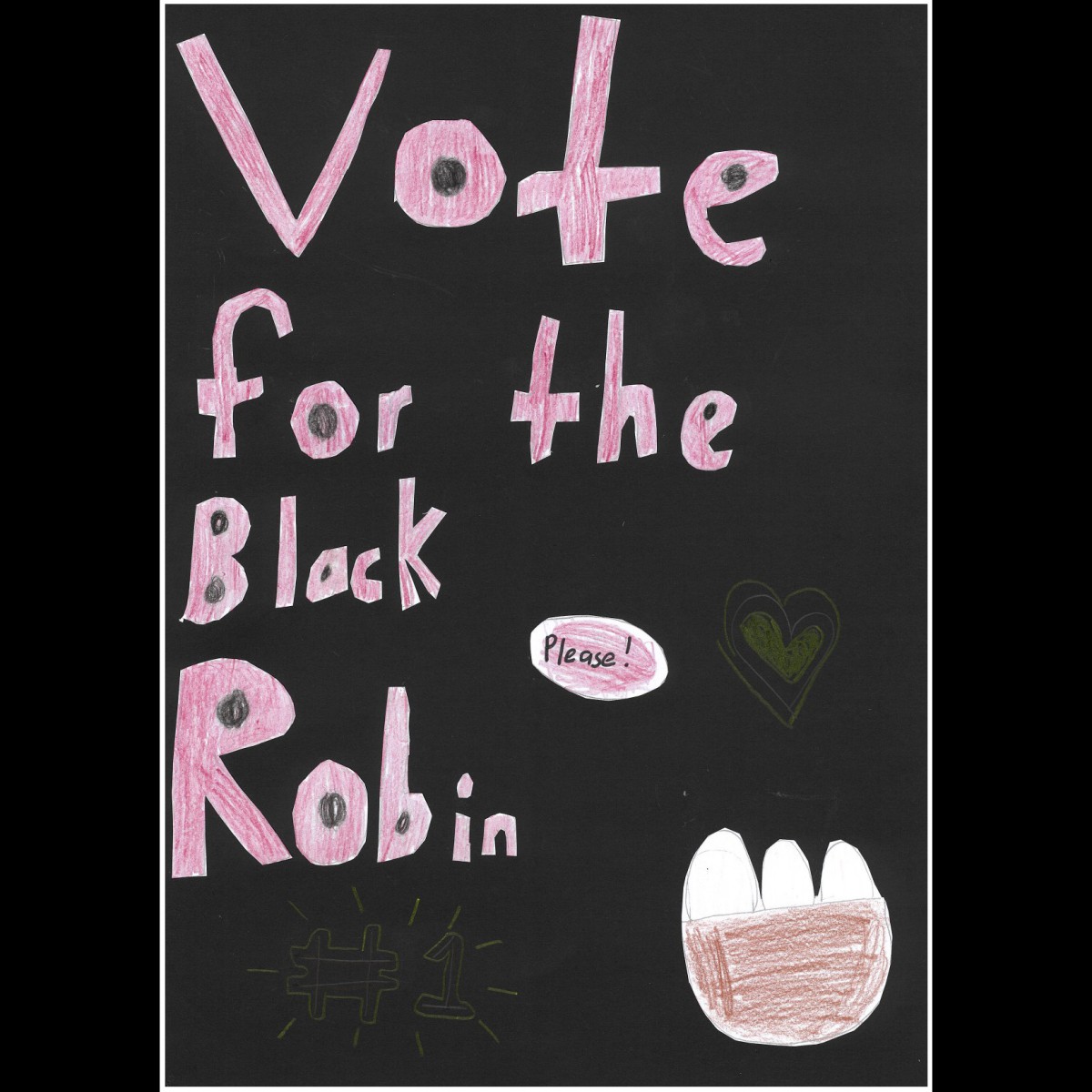
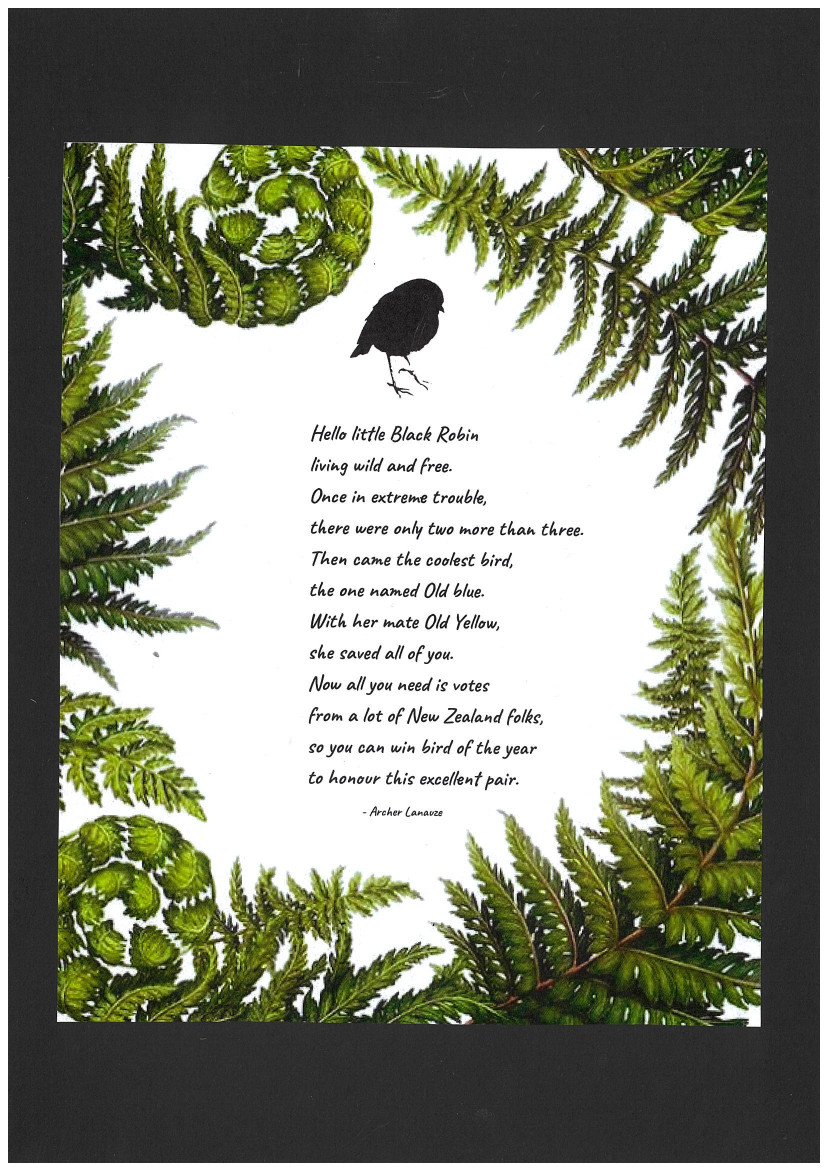
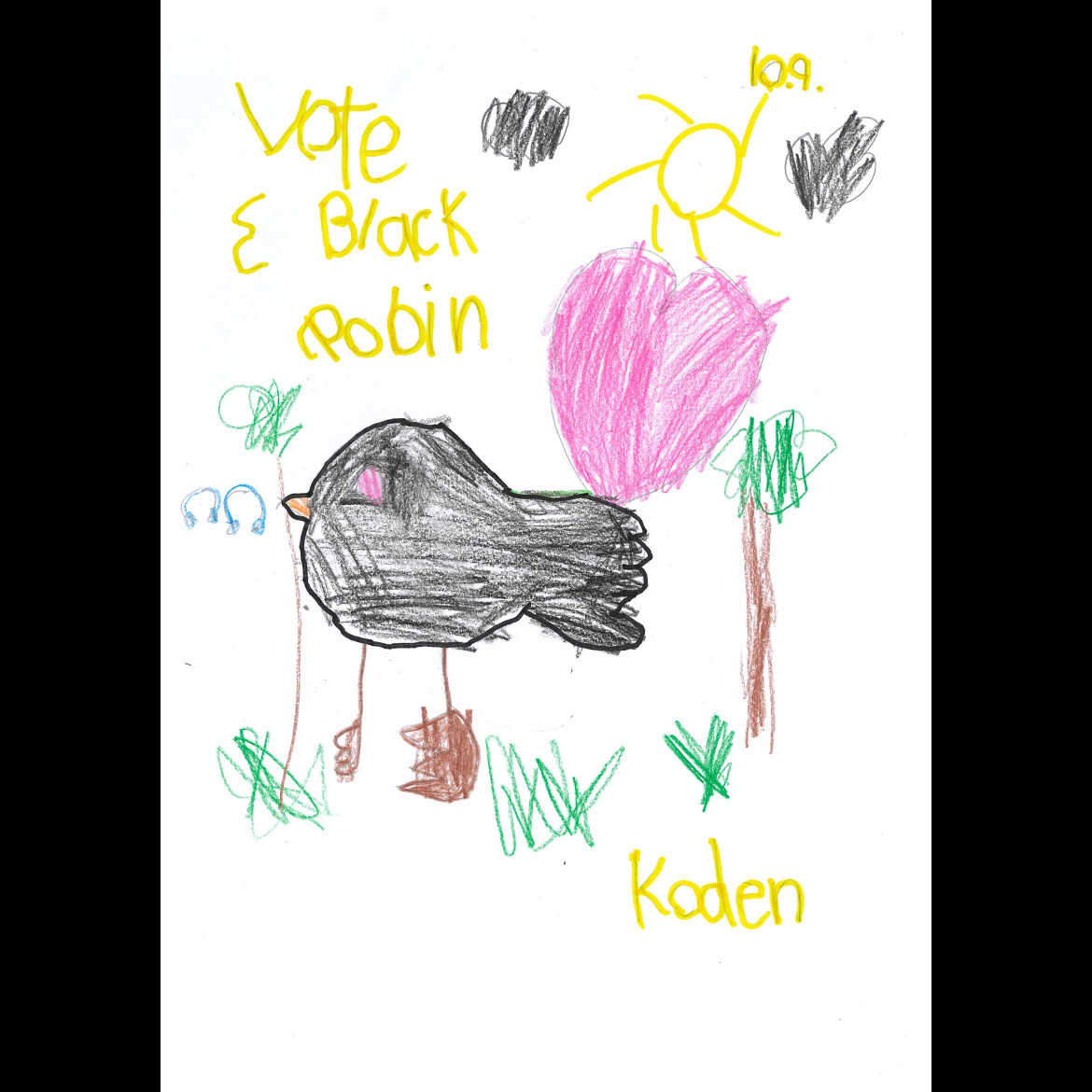
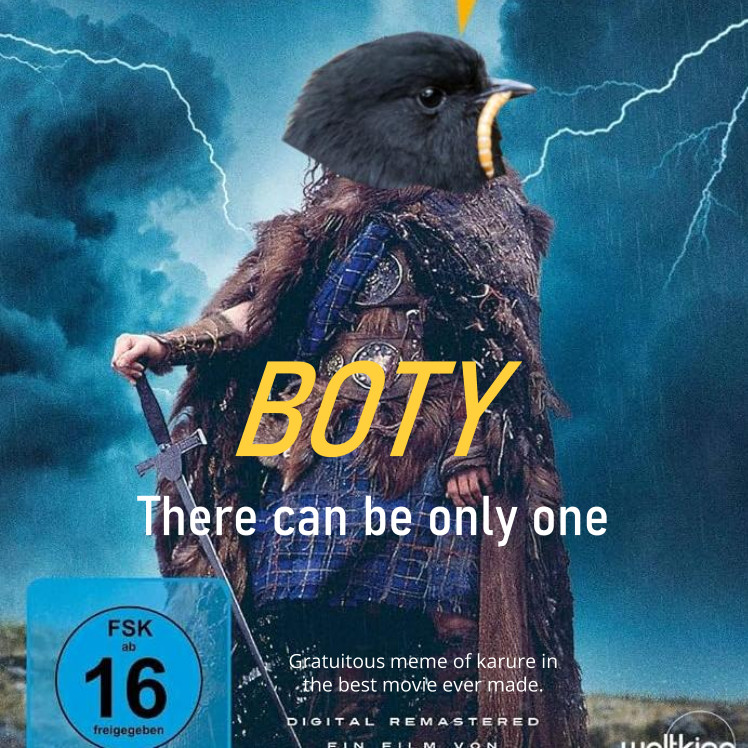
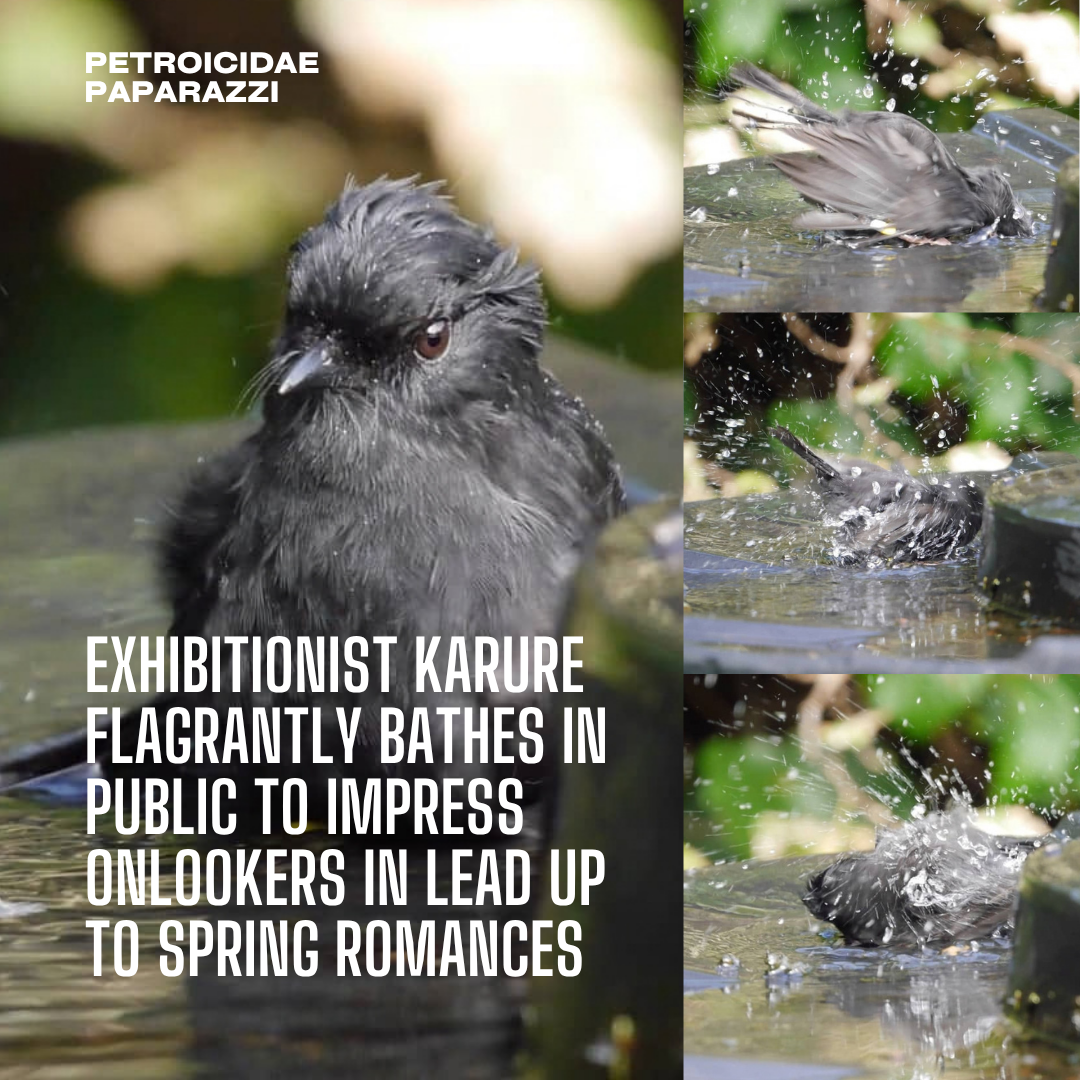
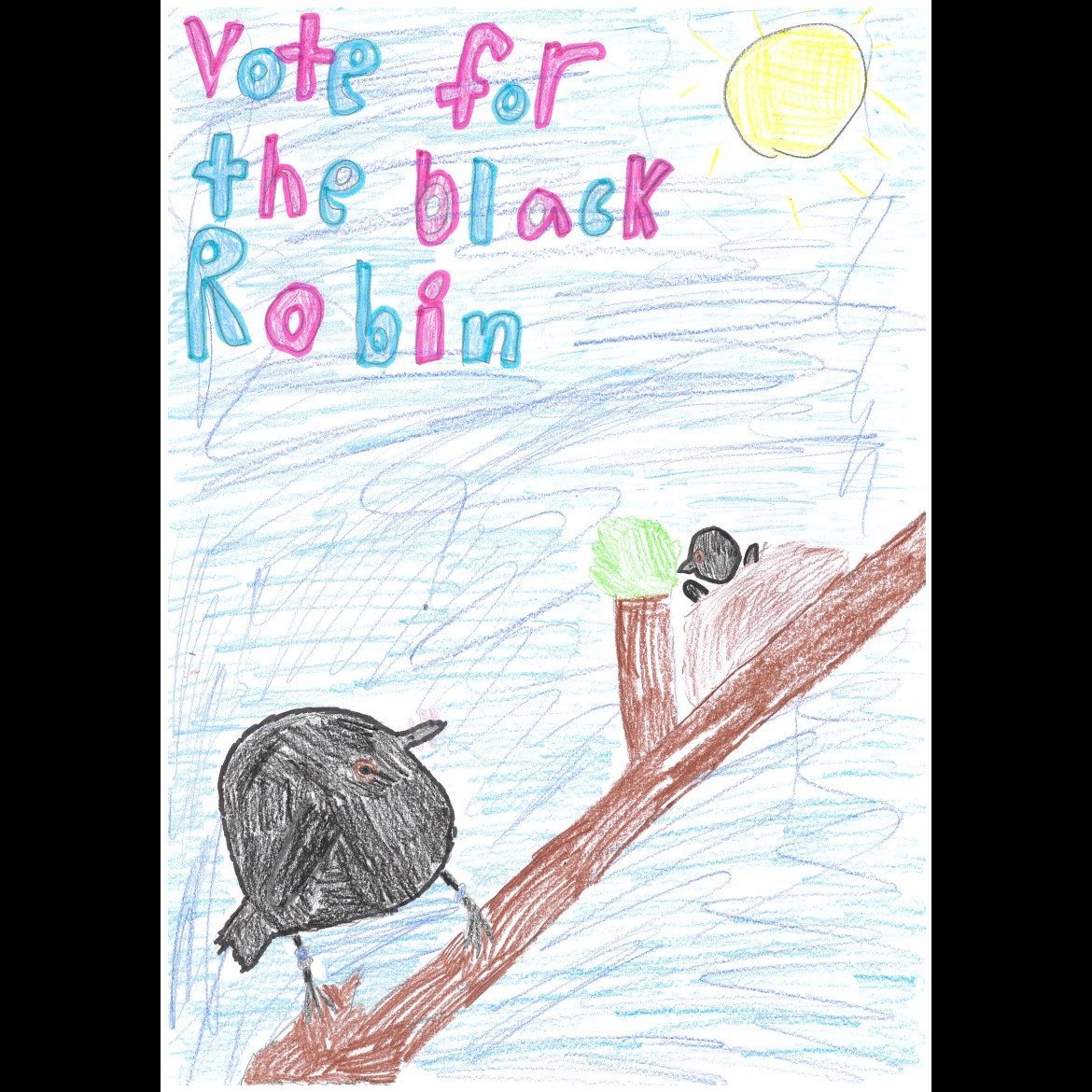
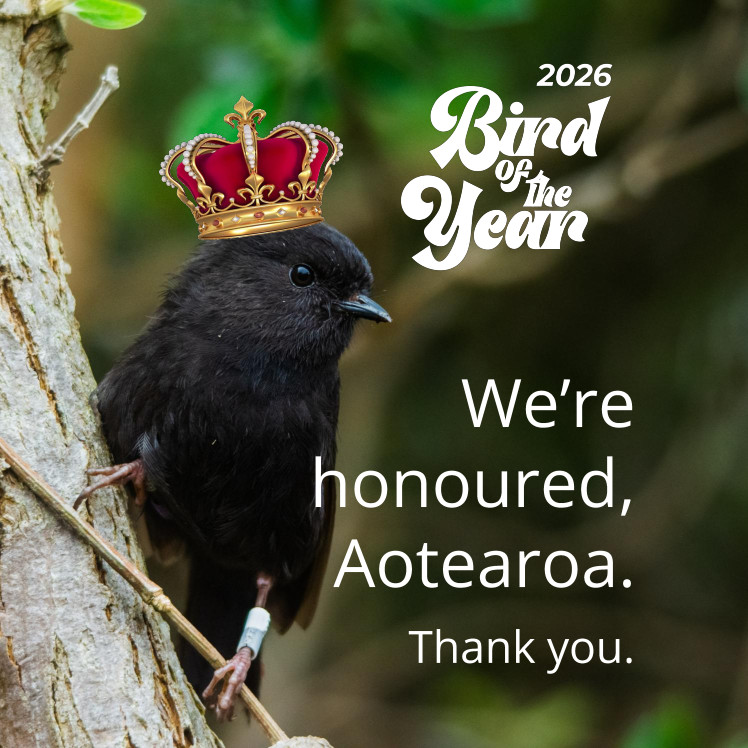
To see more of this year's whole Bird of the Year campaigning efforts, check out Forest & Bird’s Facebook and Instagram over the start of September or search for the #birdoftheyear #boty2026 hashtags on your favourite social media platform.
A huge thanks to Forest & Bird for running this campaign every year, to Pitt Island School and everyone in the Chathams community who got behind this, the photographers who let us use their great photos, and - of course - to everyone who voted!